Pulse Fitness
# Dragging gym equipment into the 21st century, kicking & screaming.
At a glance
Unlocked premium tenders. Built a platform for the future.
I led the company's shift from standalone hardware to a connected digital ecosystem. The new platform was a major commercial success—immediately unlocking the premium government and private tenders Pulse had been locked out of, and giving the business a foundation it could build on for years.
The Challenge
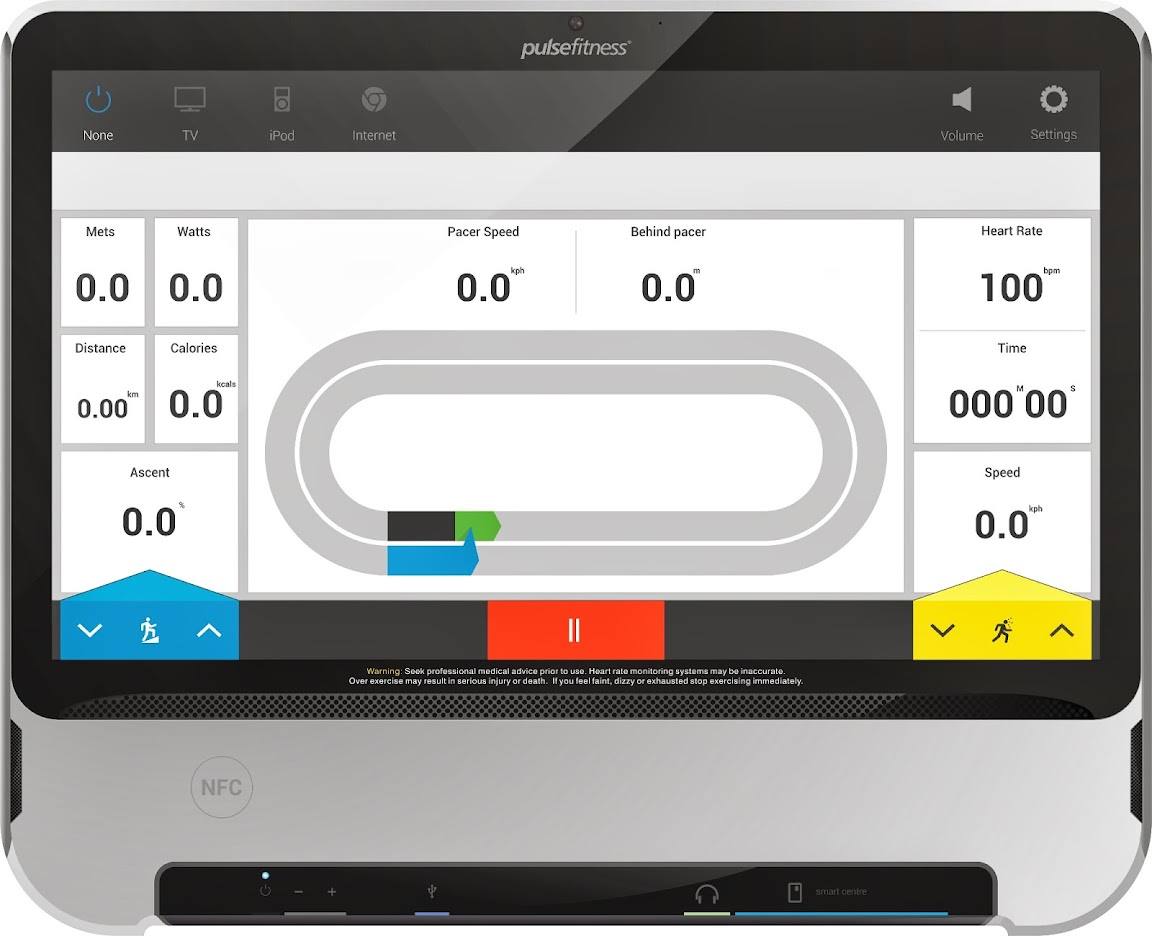
I had already designed the company's foundational 'Smart Centre' gym system and its accompanying smartcard console. The new challenge was a "digital arms race": competitors' touchscreens were disqualifying us from critical government tenders. We had to pivot, and I was tasked with architecting the company's new digital future, starting with a connected touchscreen console.
My Role
Senior UI/UX Designer & Product Architect. Blending product management with hands-on execution—establishing the UX discipline, defining product strategy, and partnering with external software and manufacturing teams to deliver the end-to-end ecosystem.
The Impact
Transformed a traditional hardware manufacturer into a connected fitness platform—from physical ergonomics and a 100-page CorelDraw manufacturing spec to a modular "Head vs. Brain" Android architecture launched at FIBO.

Hardware & Connected Ecosystems
The Strategic Challenge: A Digital Arms Race
In the world of commercial fitness equipment, you don't just sell to a gym; you win a war. A large chunk of the business is built on a brutal system of bids and government tenders. And the hard truth is that these tenders are often written with a winner already in mind. If a competitor has a fancy new touch screen on their treadmill, and you don't, you're not even allowed to turn up for the fight. You are disqualified before you've even started.
Pulse Fitness was caught in the middle of this perfect storm. We had to respond to the tender-driven arms race and meet the shifting expectations of the public, or face becoming a relic. The challenge wasn't just to bolt a screen onto a treadmill; it was to define and deliver the company's entire digital future.
My Influence & Vision: Dragging a hardware company into the digital age
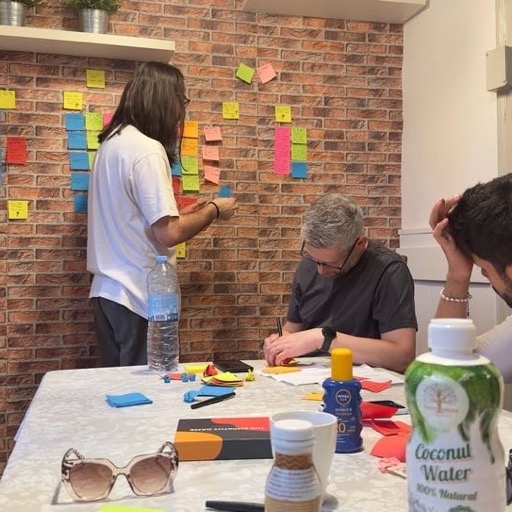
The team I was part of at Pulse was a lean, slightly eccentric, and dangerously effective group of specialists, most of whom were brilliant at making things you could kick. The design studio was a proper workshop. We had a couple of other industrial designers, a mechanical engineer, and downstairs, in a space filled with the glorious smell of metal and oil, Colin worked away building full-scale, working prototypes of the machines.
Total Experience Architecture: Beyond the Screen
I refused to let the digital experience exist in a silo. I took ownership of the entire product ecosystem—from the marketing photography that sold the dream, to the packaging that delivered it, to the instructional decals that taught it, and finally, the interface that powered it.
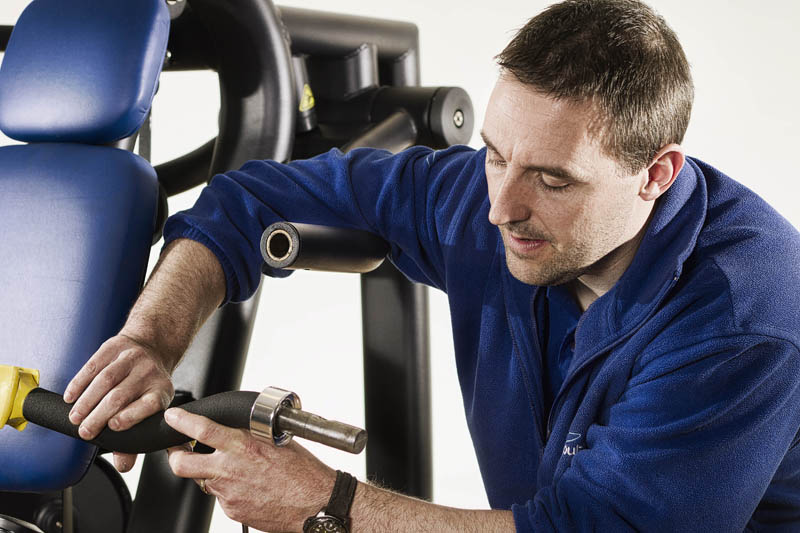
Hardware Ergonomics
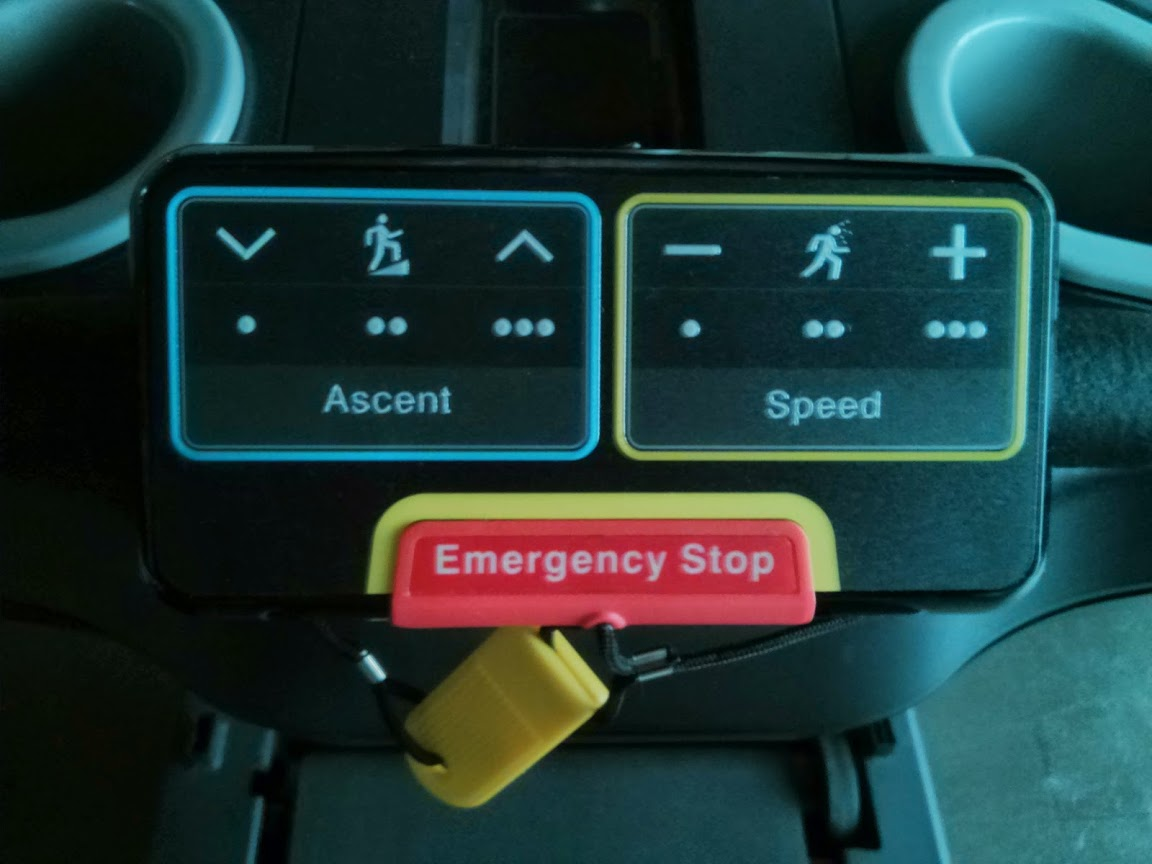
I designed the physical console housing to define reachable touch targets for users running at 10mph. I ensured the 'Stop' button on the screen was exactly where the user's reflex would reach, because I designed the plastic housing to guide their hand there.
The Unboxing Experience
The user experience doesn't start when the screen turns on; it starts when the box opens. I designed the packaging and unboxing flow to ensure the customer promise was met before the device was even plugged in.
Instructional Design
Hardware usability is critical. I designed the on-device instructional decals to work in harmony with the digital onboarding flow. The physical labels guide the user's hands, while the screen guides the user's mind.
The Initial Plan: A good idea left behind
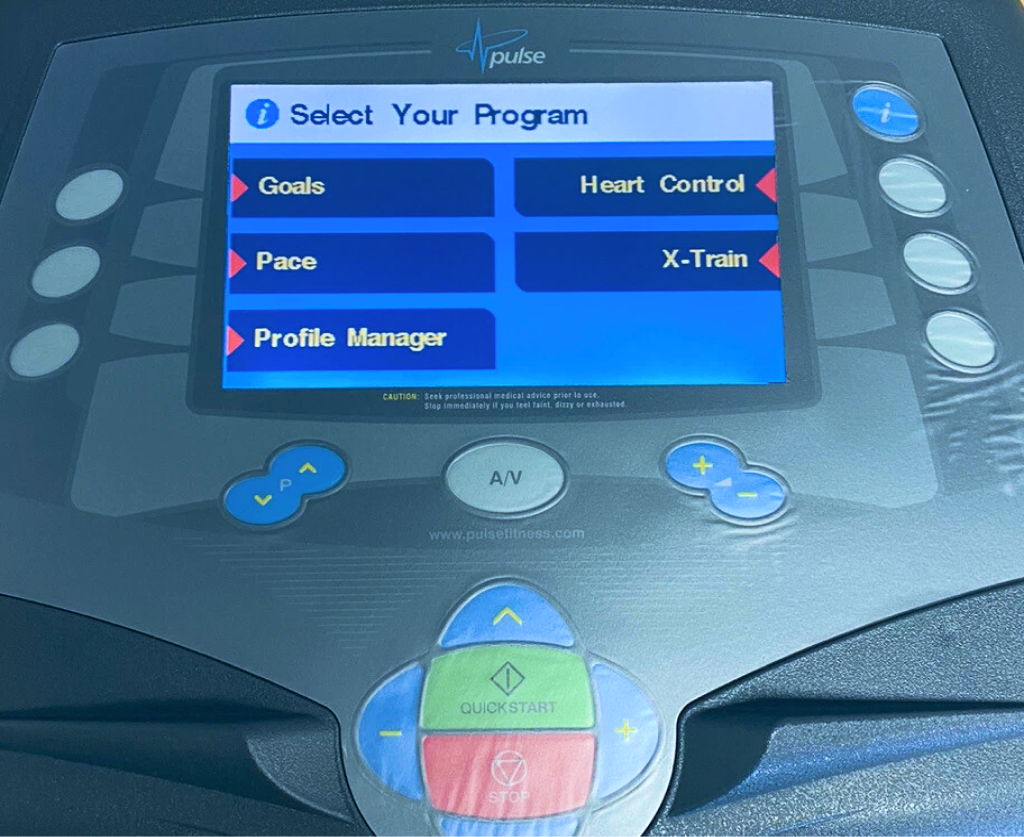
The initial plan was, of course, to do the simple thing: take all the brilliant fitness programs from Tony's old console and just wrap them in a shiny new touch screen interface. But when I was handed back the project, I had that uncomfortable, sinking feeling in my gut. The proposed design was clunky. It was the old, clunky ATM-style interface, just drawn on a bigger screen. It worked, only to a point.
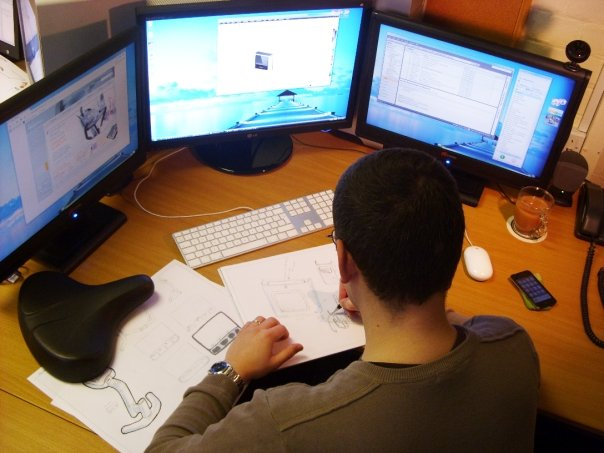
So I made the call to rework it. This was a time before Figma and Sketch were everywhere. Our weapon of choice was CorelDraw—mostly because that's what our manufacturing partners in Taiwan used. It gets a bad rap, but I got very, very good at it. After a fair bit of paper prototyping and getting my ideas beaten up by my peers, I produced a monster of a thing: a 100-page specification document that detailed every single screen, button, and interaction. This wasn't just a design file; it was the legally binding contract our manufacturing partner would use to quote and build against.
The Innovation: Head vs. Brain
But the real genius wasn't just in the document; it was in the architecture we'd defined. Our lead engineer, a proper genius called Tony, had come up with a fiendishly clever solution. The shiny new Android board was just the "Head." The real "Pulse brain" was a separate I/O board he designed, which still ran all the legacy fitness programmes and did the actual, difficult job of talking to the treadmill. What this meant, in simple terms, was that we could plug different heads onto the same brain. It made future upgrades massively cheaper and easier. It was a proper, long-term, common-sense solution. Not just a new product, but a new platform for everything that would come next.
The Outcome: A platform built to evolve, not just a console
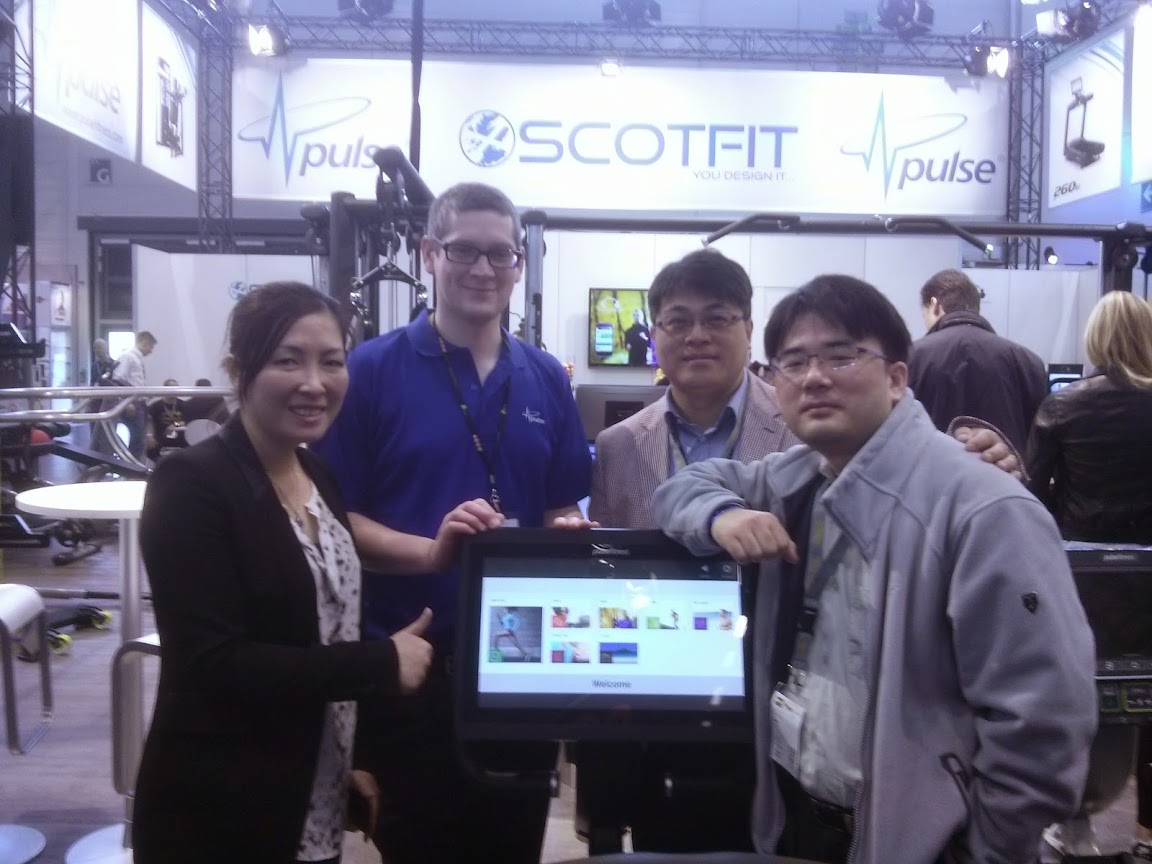
The launch of the Android console at FIBO was a success, with even our biggest competitors crawling all over the new hardware. But the real win wasn't the buzz on the day—it was that we hadn't just shipped a one-off product. We'd built a platform.
Because the Android "Head" was decoupled from Tony's I/O "Brain", we finally had a system we could develop and iterate on over time without reinventing the hardware. Instead of a static piece of gym kit that aged the moment it left the factory, the console became a living product—one where we could roll out new features, refine workflows, and respond to operator feedback long after installation.
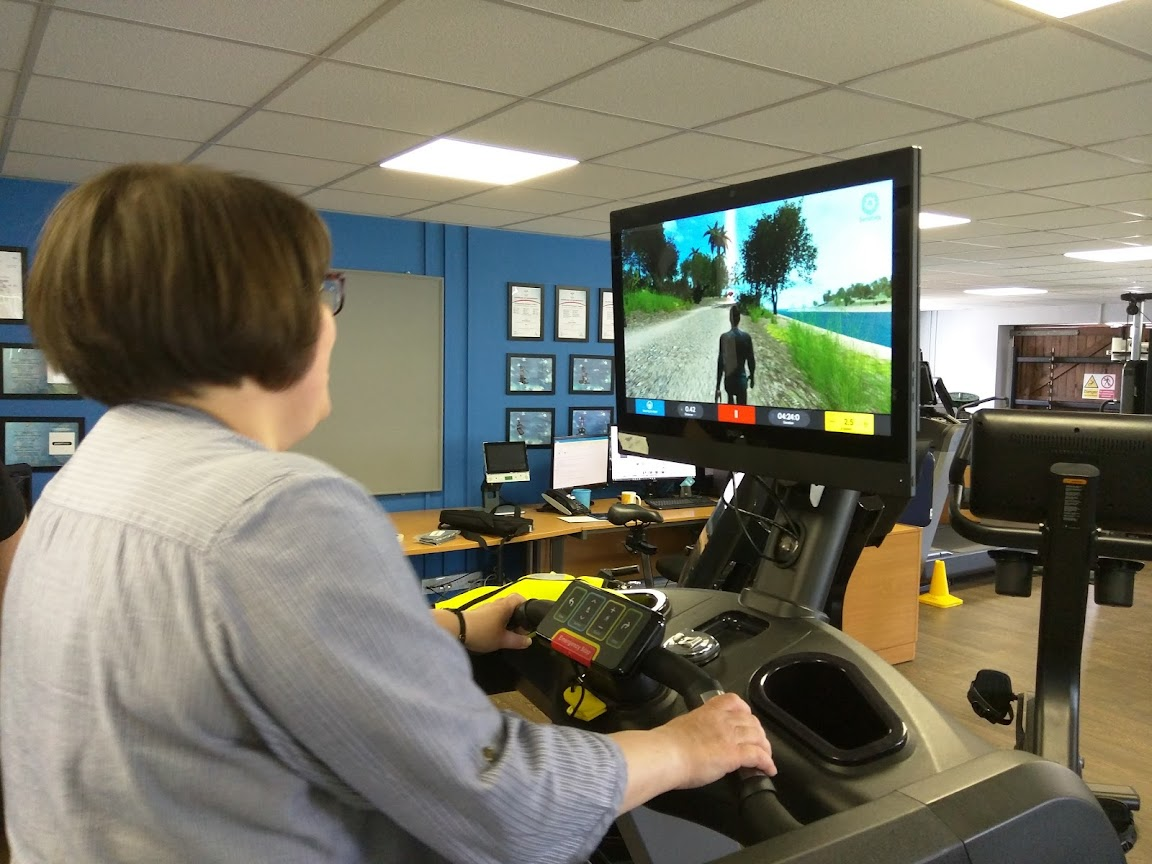
As the platform matured, we brought in ProtoPie to model complex sensor logic (Heart Rate, Speed, RFID) before a single line of production code was written. That allowed us to rapidly prototype and validate new experiences like "Pacer Mode"—a gamified ghost runner—which became a standout commercial differentiator.
The console was never really about the console itself. It was the keystone in a much larger vision: a connected gym management ecosystem that kept Pulse competitive in the tender wars and gave the business a digital foundation for everything that came next.